English
 简体中文
简体中文 Русский
 Deutsch
 ไทย
ไทย Bahasa Melayu
 Беларуская
 لالعربية
 日本語
日本語 한국어
한국어 Bahasa Indonesia
 Tiếng Việt
 Türkçe
 Italiano
 رسی
رسی

In the world of professional plumbing and mechanical installation, the integrity of a joint starts with the quality of the thread. Plumbing pipe threading dies are the essential cutting tools used to create external threads on the ends of pipes, ensuring a secure, leak-proof connection for water, gas, or chemical transport.
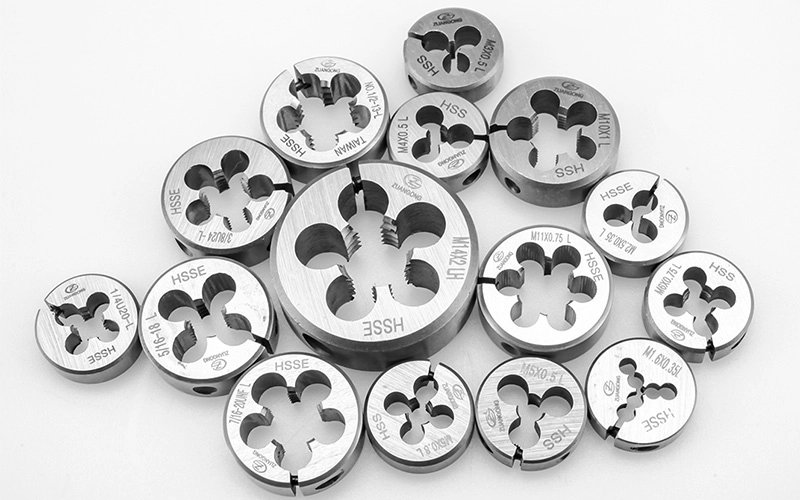
1. Material Matters: HSS vs. Alloy Steel
The performance of a threading die is largely determined by its material.
High-Speed Steel (HSS): Best for high-volume production and tougher materials like stainless steel. They offer superior heat resistance and edge retention.
Alloy Steel: An economical choice for standard carbon steel or plastic pipes, ideal for maintenance and repair tasks.
2. Understanding Thread Standards: NPT vs. BSPT
Selecting the right die requires matching the regional and technical standards:
NPT (National Pipe Tapered): Widely used in North America for pressure-tight seals.
BSPT (British Standard Pipe Taper): Common in Europe, Asia, and the UK. Using the wrong standard can lead to devastating leaks.
3. How to Extend the Life of Your Dies
To ensure your pipe threading dies remain sharp and effective, follow these professional tips:
Lubrication is Key: Always use high-quality threading oil to reduce friction and clear chips.
Regular Cleaning: Remove metal shavings after every use to prevent "clogging" that can chip the teeth.
Correct Alignment: Ensure the pipe is cut square before threading to avoid uneven or "drunken" threads.
4. Why Quality Dies are a Smart Investment
Cheap dies often produce ragged threads that compromise seal integrity. Investing in precision-ground dies ensures consistent results, reduces labor time, and prevents costly rework on the job site.