English
 简体中文
简体中文 繁体中文
繁体中文 Русский
 Deutsch
 ไทย
ไทย Bahasa Melayu
 لالعربية
 日本語
日本語 한국어
한국어 Bahasa Indonesia
 Tiếng Việt
 Türkçe
 Italiano
 رسی
رسی

Introduction
The robotics industry is undergoing a significant transformation, driven by advancements in artificial intelligence, automation, and material science. As we approach 2025, the demand for more agile, efficient, and robust robots is accelerating, necessitating a critical upgrade in the processing of their core components. A key challenge in this evolution is the effective machining of lightweight materials, which are increasingly adopted to enhance robot performance and energy efficiency. This article delves into the anticipated advancements in robot core component processing by 2025, with a particular focus on how specialized taps are emerging as indispensable tools to meet the stringent cutting demands of these advanced lightweight materials.
The Evolution of Robot Core Components and Processing Challenges
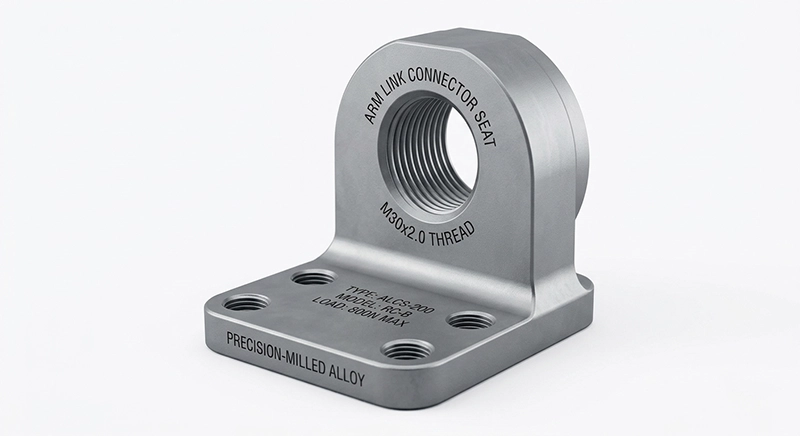
Robots are becoming more sophisticated, requiring components that are not only precise but also durable and lightweight. Traditional manufacturing processes often fall short when dealing with the complex geometries and material properties of next-generation robot parts. The drive towards lightweighting in robotics is primarily fueled by the need for faster movements, reduced energy consumption, and increased payload capacities. Materials such as advanced aluminum alloys, titanium, and carbon fiber composites are at the forefront of this trend. However, these materials present unique machining challenges. Their
high strength-to-weight ratio
, while beneficial for performance, makes them inherently difficult to cut, often leading to increased tool wear and longer machining times. Furthermore, many lightweight materials exhibit
poor thermal conductivity
, causing heat to build up excessively at the cutting zone, which can severely degrade tool life and compromise surface integrity. Effective
chip management
is another critical concern, as the unique chip formation characteristics of these materials can result in chip entanglement and poor evacuation, potentially damaging both the workpiece and the tool. Lastly, achieving the required
surface finish and maintaining structural integrity
without introducing micro-cracks or residual stresses is paramount for the long-term reliability and performance of robot components.
Special Taps: Precision Tools for Lightweight Materials
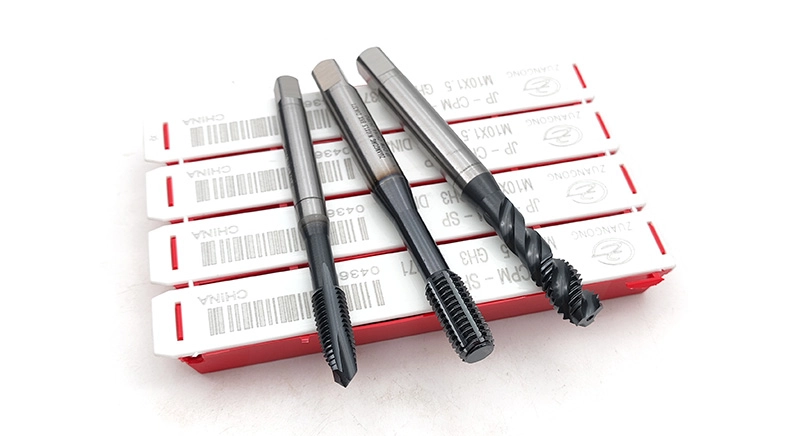
To overcome these processing hurdles, the development and application of
special taps
are becoming paramount. These are not off-the-shelf tools but rather engineered solutions designed to address the specific properties of lightweight materials. By 2025, we anticipate a wider adoption of taps featuring several key innovations. Firstly,
optimized geometries
will be standard, with taps incorporating specialized flute designs, rake angles, and helix angles meticulously crafted to facilitate efficient chip evacuation and significantly reduce cutting forces. This optimization is particularly crucial for materials that tend to produce stringy or abrasive chips. Secondly,
advanced coatings
will play a vital role; multi-layered, ultra-hard coatings (e.g., AlTiN, TiCN) will provide superior wear resistance, minimize friction, and enhance heat dissipation, thereby extending tool life and improving the overall surface quality of the machined parts. Thirdly, high-performance
substrate materials
such as tool steels, powdered metals, and solid carbide will be increasingly utilized as tap foundations, offering the necessary hardness and toughness to withstand the rigorous demands of machining lightweight alloys and composites. Finally,
through-tool coolant delivery
systems will become more prevalent, integrating channels to direct cutting fluid precisely to the cutting edge. This effectively manages heat, flushes chips away, and improves lubrication, all of which are critical for maintaining process stability and ensuring the highest part quality.
Impact on Robot Manufacturing Efficiency and Performance
The integration of these specialized tapping solutions will have a profound impact on the robotics manufacturing landscape, leading to significant improvements in efficiency and performance. Manufacturers can expect to benefit from
increased productivity
through reduced cycle times, achieved by enabling faster cutting speeds and superior chip control. Furthermore, the use of these advanced taps will result in
enhanced component quality
, yielding superior thread quality, improved surface finish, and a reduced risk of material deformation or damage. A major advantage will be
extended tool life
, as the specialized designs and coatings will significantly reduce tool wear, leading to fewer tool changes and substantial savings in tooling costs. Ultimately, these advancements will contribute to
overall cost efficiency
in manufacturing, driven by optimized processes and the prolonged lifespan of cutting tools.
Conclusion
The year 2025 marks a pivotal moment for the robotics industry, with significant advancements in core component processing being essential for the next generation of robots. The challenges posed by lightweight materials are being met with innovative solutions, particularly through the evolution of special taps. These precision tools, with their optimized geometries, advanced coatings, and superior material compositions, are not just accessories but critical enablers for achieving the high standards of precision, efficiency, and reliability required in modern robot manufacturing. Investing in these specialized tapping technologies will be key for manufacturers looking to stay at the forefront of robotic innovation and meet the ever-growing demands of the global market.