简体中文
简体中文 繁体中文
繁体中文 Русский
 Deutsch
 ไทย
ไทย Bahasa Melayu
 Беларуская
 لالعربية
 日本語
日本語 한국어
한국어 Bahasa Indonesia
 Tiếng Việt
 Türkçe
 Italiano
 رسی
رسی

South Korea's automotive industry is renowned for its outstanding innovation and global competitiveness, with brands like Hyundai and Kia holding significant positions in the global market. In automotive manufacturing, precision threading of critical components such as engines, transmissions, and chassis is a core aspect ensuring product performance and reliability.
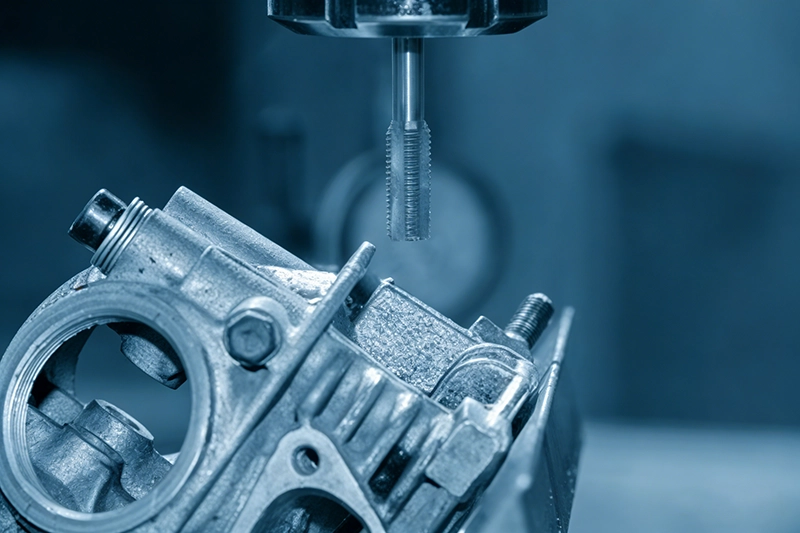
Threading Challenges in the Korean Automotive Industry
With the trend towards lightweight and high-performance automobiles, Korean automotive component manufacturers face multiple challenges:
Material Diversity: Extensive use of aluminum alloys, high-strength steel, and cast iron poses higher demands on tap materials and coatings.
High Precision: Threaded holes in core components like engine blocks require extremely high dimensional accuracy.
Efficiency and Cost: Mass production demands efficient processes with long tool life to minimize downtime.
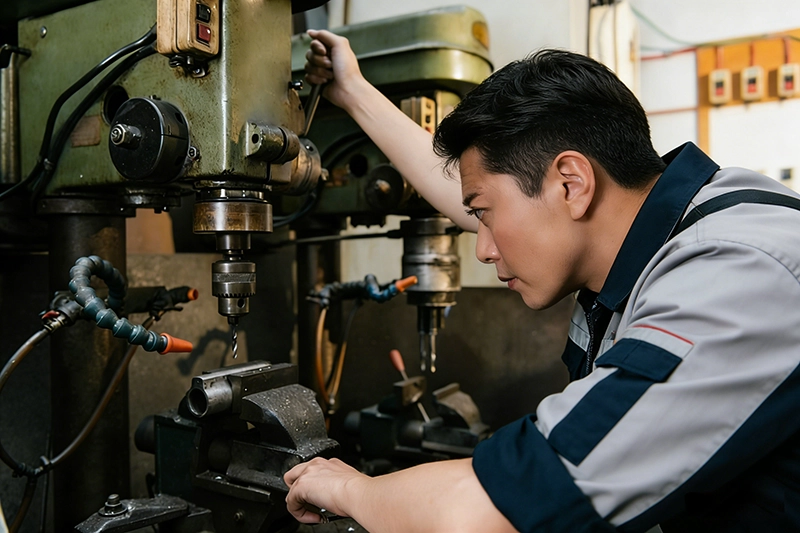
Case Study: Success Story of Hanjin Precision Machinery Co., Ltd.
Client Profile: Hanjin Precision Machinery Co., Ltd. is a prominent South Korean automotive component supplier, specializing in high-quality engine cylinder heads and transmission casings for Hyundai and Kia Motors.
Challenges: During the production of a new aluminum alloy engine cylinder head, the company faced difficulties with traditional taps, including chip entanglement, poor surface finish, and short tool life.
Solution: Following technical evaluations, the company adopted the YG-1 Prime Tap series. These high-performance taps are specifically designed for non-ferrous metals like aluminum alloys, featuring optimized cutting-edge geometry and advanced surface treatments.
Implementation: Technical Manager Mr. Kim collaborated with the engineering team to optimize machining parameters. The new taps were deployed on CNC machining centers for threading the aluminum cylinder heads.
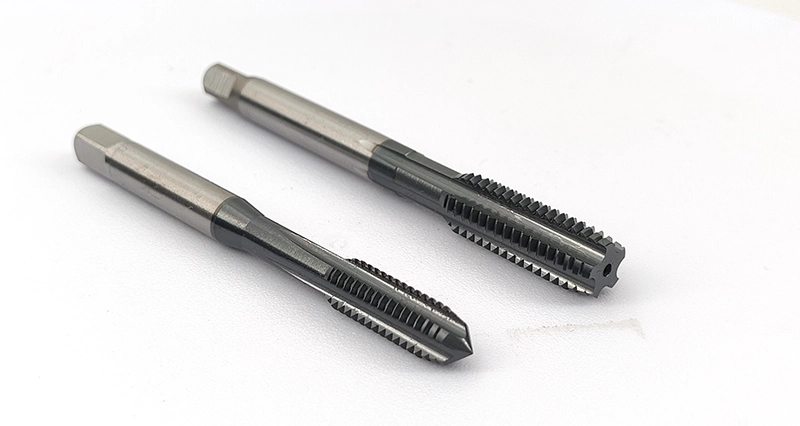
Results:
25% Increase in Efficiency: Superior chip evacuation significantly reduced per-piece machining time.
150% Extension in Tool Life: Enhanced wear resistance drastically reduced tool change frequency.
Improved Thread Quality: Surface roughness achieved below Rz 3.2, with the product acceptance rate increasing to 99.8%.
Conclusion
The success of Hanjin Precision Machinery Co., Ltd. demonstrates the immense value of advanced tapping technology. By applying high-performance taps, manufacturers can effectively address complex material challenges while enhancing efficiency and reducing costs.