简体中文
简体中文 繁体中文
繁体中文 Русский
 Deutsch
 ไทย
ไทย Bahasa Melayu
 Беларуская
 لالعربية
 日本語
日本語 한국어
한국어 Bahasa Indonesia
 Tiếng Việt
 Türkçe
 Italiano
 رسی
رسی

Stainless steel, renowned for its corrosion resistance and strength, is a staple in industries ranging from medical and food processing to automotive and aerospace. However, its inherent toughness and work-hardening characteristics make threading a significant challenge. Achieving precise, clean threads without premature tool wear or breakage demands specialized, high-performance machine taps.
Traditional taps often struggle with stainless steel due to its high shear strength and tendency to generate excessive heat and built-up edge (BUE). High-performance machine taps are engineered to overcome these obstacles through a combination of advanced material science, optimized geometry, and innovative coatings.
The Engineering Behind Superior Stainless Steel Tapping
1. Advanced Materials
For threading stainless steel, the tap material is paramount. Powder metallurgy High-Speed Steel (PM HSS-E) is a common choice, offering superior hardness, toughness, and wear resistance compared to conventional HSS. Its fine grain structure allows for sharper cutting edges and better edge retention at elevated temperatures. Solid carbide taps are also employed for specific applications requiring even higher rigidity and wear resistance, particularly in high-volume production or with very hard stainless steel grades.
2. Optimized Geometry
Tap geometry plays a crucial role in chip formation and evacuation, which is critical for stainless steel. Key features include:
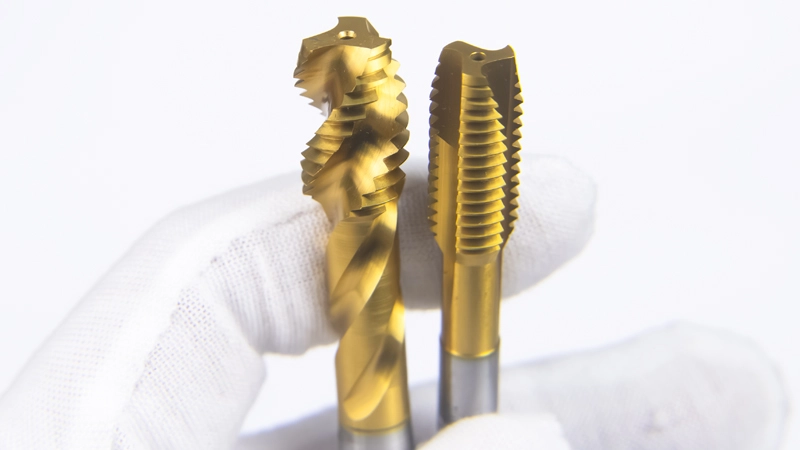
*Spiral Flutes: Taps with steep spiral flutes (typically 35-50 degrees) are highly effective for blind holes. They lift chips upwards and out of the hole, preventing chip packing and reducing cutting forces. This is particularly beneficial for gummy stainless steel grades.
*Spiral Point (Gun Nosed) Flutes: For through holes, spiral point taps push chips forward, ahead of the tap. This design is excellent for efficient chip evacuation and reduces the risk of chip interference, allowing for higher cutting speeds.
*Reinforced Core Diameter: A larger core diameter provides increased tap strength, reducing the likelihood of breakage, especially in tough materials like stainless steel.
3. Innovative Coatings
Coatings are a game-changer for stainless steel tapping, significantly extending tool life and improving thread quality. Common high-performance coatings include:
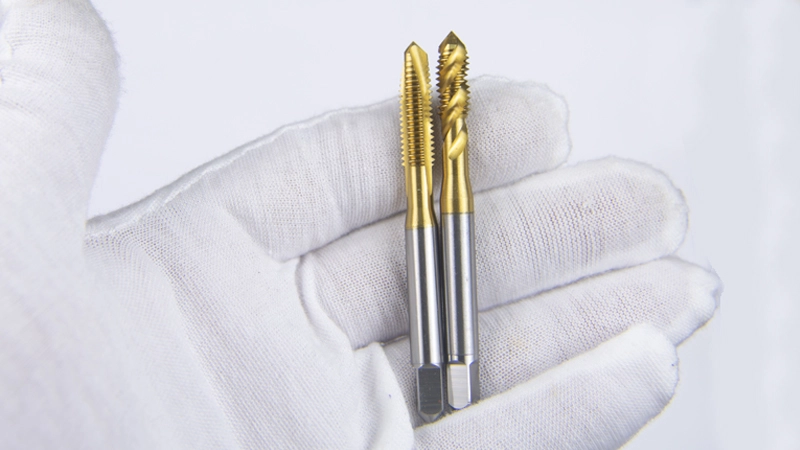
*TiN (Titanium Nitride): A golden-colored, general-purpose hard coating that increases surface hardness and wear resistance, reducing friction and heat generation.
*JP Coating (Cobalt-based): Often a proprietary cobalt-enriched or multi-layer coating, designed to enhance toughness and lubricity, making it ideal for high-strength stainless steels and preventing BUE.
*TAD Coating (DLC - Diamond-Like Carbon): A very hard and slick coating, excellent for non-ferrous materials but also highly effective for stainless steel, especially austenitic grades. Its low friction coefficient minimizes BUE and improves surface finish, making it particularly suitable for applications where galling is a concern.
Applications and Selection Considerations
High-performance machine taps for stainless steel are indispensable in industries demanding precision and reliability. In the medical sector, they create clean threads for surgical instruments and implants. The food and beverage industry relies on them for hygienic equipment. In automotive and aerospace, they ensure the integrity of critical components made from various stainless steel alloys.
When selecting a tap, consider the specific grade of stainless steel (e.g., austenitic 304/316, martensitic, duplex), the type of hole (through or blind), and the machine's capabilities. The right combination of tap material, geometry, and coating will lead to optimal performance, reduced cycle times, and significant cost savings.
Conclusion
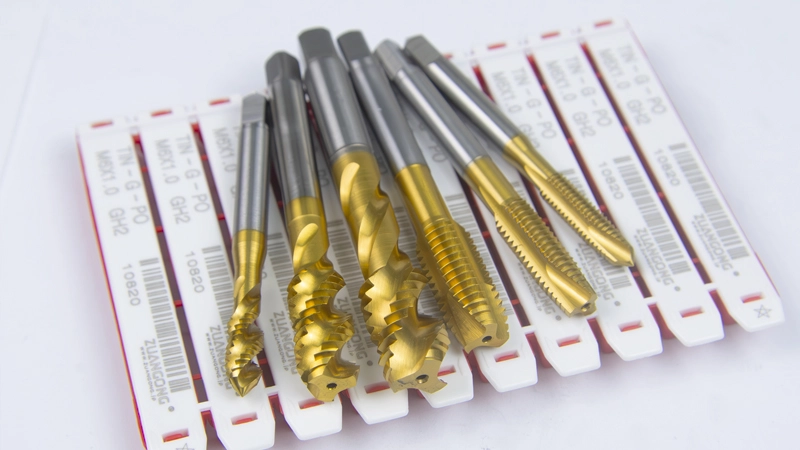
Threading stainless steel no longer needs to be a bottleneck in manufacturing. By leveraging the advancements in high-performance machine taps – featuring superior materials, optimized geometries, and specialized coatings like TiN, JP, and TAD – manufacturers can achieve consistent, high-quality threads with extended tool life, ensuring efficiency and reliability in their most demanding applications.